


In the e-commerce industry, two giants stand out when it comes to sourcing products from China: Aliexpress and Alibaba. Both platforms, owned by the Alibaba Group, have revolutionized the way businesses and consumers access Chinese manufacturers and products. However, despite their shared parentage, these platforms serve distinctly different purposes and audiences. In this comprehensive guide, we’ll delve deep into the differences between Aliexpress and Alibaba, helping you understand which platform best suits your needs in 2025.
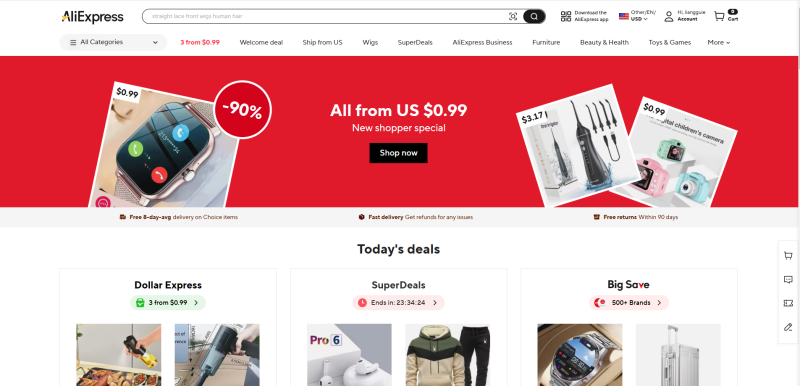
Aliexpress
Launched in 2010, Aliexpress is a global retail marketplace that enables consumers worldwide to buy directly from manufacturers and distributors in China. It’s designed for individual buyers and small businesses looking to purchase products in small quantities or even single items.
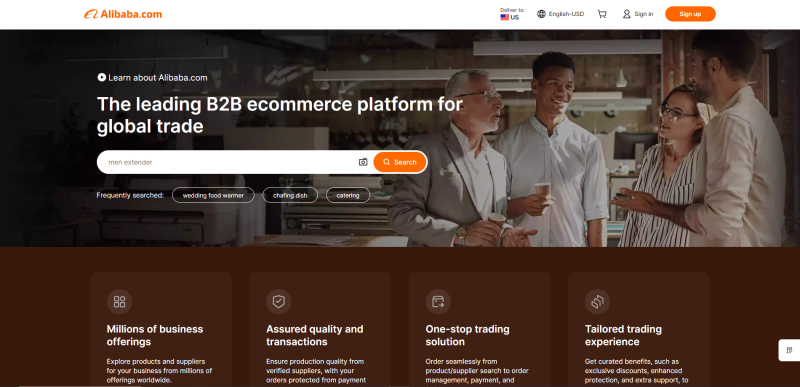
Alibaba
Established in 1999, Alibaba is primarily a business-to-business (B2B) platform that connects manufacturers and wholesalers with business buyers around the world. It’s ideal for those looking to source products in bulk, often with customization options.
Key Differences at a Glance
| Feature | Aliexpress | Alibaba |
| Primary Market | B2C (Business to Consumer) | B2B (Business to Business) |
| Typical Buyer | Individual consumers, small businesses | Wholesalers, retailers, large businesses |
| Order Quantities | Single items to small bulk orders | Large bulk orders |
| Customization | Limited | Extensive |
| Pricing | Fixed, retail prices | Negotiable, wholesale prices |
| Payment Methods | Credit cards, Alipay, etc. | Various, including wire transfers |
| Shipping | Handled by sellers | Often negotiated separately |
Business Models: B2C vs. B2B
Aliexpress: The B2C Marketplace
Aliexpress operates on a business-to-consumer (B2C) model. This means:
- Products are ready to ship
- Prices are fixed (though some sellers offer small discounts for larger quantities)
- It’s accessible to individual buyers
- There’s a wide range of products available in small quantities
Alibaba: The B2B Powerhouse
Alibaba, on the other hand, follows a business-to-business (B2B) model:
- It connects businesses with manufacturers and wholesalers
- Prices are often negotiable
- It’s designed for bulk ordering
- Customization options are widely available
Product Range and Customization
Aliexpress
Aliexpress offers a vast array of products across numerous categories, including:
- Electronics
- Clothing and accessories
- Home and garden
- Beauty and health
- Toys and hobbies
The products on Aliexpress are typically ready-made and available for immediate purchase and shipping.
Alibaba
Alibaba’s product range is even more extensive, covering not just finished products but also:
- Raw materials
- Industrial equipment
- Manufacturing components
One of the key advantages of Alibaba is the ability to customize products. Buyers can often work with manufacturers to:
- Modify existing products
- Create entirely new products to specifications
- Customize packaging and branding
Pricing Structures
Aliexpress Pricing
On Aliexpress, prices are generally fixed and displayed clearly on the product page. While some sellers may offer small discounts for purchasing multiple items, the pricing structure is more akin to traditional retail:
- Prices are in retail ranges
- Discounts are usually small
- Flash sales and promotions are common
Alibaba Pricing
Alibaba’s pricing structure is more flexible:
- Prices are often listed as ranges
- Actual prices are typically negotiated between buyer and seller
- Bulk discounts are significant
- Prices can vary based on customization requirements
Minimum Order Quantities (MOQ)
Aliexpress MOQ
One of the main attractions of Aliexpress is the ability to purchase single items:
- Many products have no minimum order quantity
- Some sellers may have small MOQs (e.g., 3-5 items)
- Ideal for testing products or making small purchases
Alibaba MOQ
Alibaba is designed for bulk purchases:
- MOQs can range from hundreds to thousands of units
- Some suppliers may offer lower MOQs for sample orders
- MOQs can often be negotiated, especially for long-term partnerships
Payment Methods and Security
Aliexpress Payment Options
Aliexpress offers a range of consumer-friendly payment options:
- Credit/debit cards
- Alipay
- WebMoney
- Bank transfers
- Local payment methods in some countries
Aliexpress also offers buyer protection, holding payment in escrow until the buyer confirms receipt of the goods.
Alibaba Payment Options
Alibaba’s payment options are geared towards business transactions:
- Telegraphic Transfer (T/T)
- Letter of Credit (L/C)
- Alibaba’s secure payment service, Trade Assurance
- Western Union
- PayPal (for some transactions)
Alibaba also offers various trade assurance programs to protect buyers, especially for large transactions.
Shipping and Delivery
Aliexpress Shipping
Shipping on Aliexpress is straightforward:
- Sellers handle shipping arrangements
- Multiple shipping options are often available (e.g., ePacket, AliExpress Standard Shipping)
- Delivery times can range from a week to a month or more
- Free shipping is common, especially for lower-priced items
Alibaba Shipping
Shipping on Alibaba is more complex:
- Buyers often need to arrange their own shipping
- Options include sea freight, air freight, and express delivery
- Shipping costs are usually negotiated separately from product costs
- Delivery times can be longer, especially for sea freight
Quality Control and Product Authenticity
Aliexpress Quality Control
Quality control on Aliexpress can be hit-or-miss:
- Products are often unbranded or from lesser-known brands
- Customer reviews and ratings are crucial for assessing quality
- Aliexpress offers buyer protection for substandard products
Alibaba Quality Control
Alibaba offers more robust quality control options:
- Many suppliers are verified and audited by third parties
- Buyers can request quality inspections before shipment
- Custom manufacturing allows for specific quality standards to be set
Customer Support and Dispute Resolution
Aliexpress
Aliexpress provides customer support geared towards individual buyers:
- Dispute resolution system for issues with orders
- Buyer protection for late delivery or items not as described
- Direct messaging with sellers for pre-sale questions
Alibaba
Alibaba’s support is more business-oriented:
- Account managers for larger buyers
- Verification services for suppliers
- Mediation services for disputes
- Trade Assurance program for secure transactions
Platform Usability and Features
Aliexpress Usability
Aliexpress is designed for ease of use:
- User-friendly interface similar to other e-commerce platforms
- Mobile app for shopping on-the-go
- Wishlist and cart functions
- Detailed product pages with specifications and reviews
Alibaba Usability
Alibaba’s platform is more complex, reflecting its B2B nature:
- RFQ (Request for Quotation) system
- Detailed supplier profiles and verification information
- Tools for managing large orders and communications with suppliers
- Learning resources for international trade
Dropshipping Potential
Aliexpress
Aliexpress is a popular platform for dropshippers:
- No upfront inventory costs
- Wide range of products
- Many sellers offer blind dropshipping (no invoices or promotional materials)
- Integration with various e-commerce platforms (e.g., Shopify, WooCommerce)
Alibaba
While less common, Alibaba can be used for dropshipping:
- Better for high-volume dropshippers
- Potential for higher profit margins due to bulk pricing
- More customization options for creating unique products
- Requires more upfront work and communication with suppliers
Private Labeling Opportunities
Aliexpress
Private labeling on Aliexpress is limited:
- Some sellers offer basic customization (e.g., color changes)
- True private labeling is rare
- Better suited for reselling existing brands or unbranded products
Alibaba
Alibaba excels in private labeling opportunities:
- Many manufacturers offer full customization
- Options for custom packaging and branding
- Ability to create unique products from scratch
- Ideal for building your own brand
Pros and Cons of Each Platform
Aliexpress
Pros:
- Easy to use for individual buyers
- No minimum order quantities
- Wide range of products
- Buyer protection
- Good for testing products
Cons:
- Higher prices compared to wholesale
- Limited customization options
- Longer shipping times
- Potential quality issues
Alibaba
Pros:
- Wholesale prices
- Extensive customization options
- Direct contact with manufacturers
- Verification services for suppliers
- Ideal for scaling businesses
Cons:
- Higher minimum order quantities
- More complex ordering process
- Requires more business acumen
- Shipping and logistics can be challenging
Which Platform Should You Choose?
Choosing between Aliexpress and Alibaba depends on your specific needs:
Choose Aliexpress if:
- You’re an individual buyer or small business
- You want to purchase products in small quantities
- You’re new to e-commerce or testing products
- You prefer a simple, user-friendly platform
Choose Alibaba if:
- You’re a business looking to buy in bulk
- You need customized products or private labeling
- You’re willing to negotiate and handle complex transactions
- You’re looking to establish long-term supplier relationships
Tips for Success on Both Platforms
Tips for Aliexpress
- Read reviews carefully before purchasing
- Compare prices across multiple sellers
- Use the messaging system to ask questions before buying
- Take advantage of buyer protection
- Be patient with shipping times
Tips for Alibaba
- Verify suppliers using Alibaba’s tools
- Request samples before placing large orders
- Negotiate prices and terms
- Use secure payment methods
- Consider hiring a quality control service for large orders
Future Trends and Developments
As we look towards the future of Aliexpress and Alibaba, several trends are emerging:
- Increased focus on sustainability and ethical sourcing
- Integration of AR/VR technologies for product visualization
- Expansion of local warehouses for faster shipping
- Enhanced AI-driven personalization and product recommendations
- Greater emphasis on cross-border e-commerce regulations
Both platforms are likely to continue evolving, potentially blurring the lines between B2B and B2C as they compete with other global e-commerce giants.
Conclusion
Aliexpress and Alibaba, while part of the same corporate family, serve distinct purposes in the world of e-commerce. Aliexpress provides a gateway for individual consumers and small businesses to access a vast array of products directly from Chinese sellers. It’s user-friendly, requires no minimum orders, and offers buyer protection, making it ideal for those new to importing or looking to purchase in small quantities.
Alibaba, on the other hand, is the go-to platform for businesses looking to source products in bulk, often with customization options. It offers the potential for significant cost savings and the ability to create unique products, but requires more business acumen and involves more complex transactions.
As the e-commerce landscape continues to evolve, both platforms are likely to play crucial roles in connecting buyers worldwide with Chinese manufacturers and suppliers. Whether you’re an individual looking for a good deal on consumer goods or a business aiming to scale up your product sourcing, understanding the differences between Aliexpress and Alibaba is key to making informed decisions and maximizing your success in the world of online commerce.


